

Black Mold in Brooklyn, NY Apartments: What to Do (and What Not to Do) Before Help Arrives
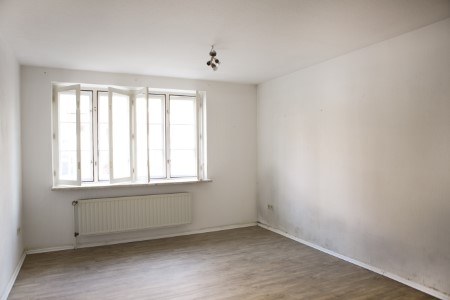
Finding black patches on a wall or ceiling in your Brooklyn apartment is stressful. Our coastal humidity, summer storms, and older building stock make places like Park Slope brownstones, Williamsburg lofts, and Bay Ridge co-ops especially vulnerable. If you suspect black mold, keep calm and focus on safety while you arrange professional mold removal.
This guide explains what to do, what to avoid, and how to document the problem so crews can act fast when they arrive at your door. It is written for renters and owners across Brooklyn, from Bushwick and Bed-Stuy to Crown Heights and Coney Island.
Quick Safety Check: When To Get Out
Before anything else, scan for warning signs. If any of these apply, step away from the area and consider staying elsewhere until trained pros assess the space.
- Strong, persistent musty odor that gets worse when the room is closed
- Visible growth that spreads quickly or covers a large area
- Recent leaks, flooding, or dampness that has not fully dried
- Infants, older adults, or anyone with asthma, allergies, or a weakened immune system in the home
If anyone has trouble breathing, leave the area and seek medical help.
Brooklyn’s weather swings matter. Summer humidity and hurricane remnants can drive moisture into walls, while winter steam heat can hide slow radiator or riser leaks. Catching damp spots early reduces spread and keeps neighbors in multi-unit buildings safer too.
What To Do Before Professional Help Arrives
Your goal is to reduce disturbance and gather clear information. These steps are about safety and communication, not cleanup.
Turn off fans and window AC units in the affected room. Airflow can move tiny particles to clean rooms. Close the door to the area if possible and limit foot traffic. Keep children and pets away.
Document what you see. Take well-lit photos and a short video. Start with a wide shot of the full wall or ceiling, then take close-ups. Capture signs of moisture like peeling paint, bubbling drywall, or floor buckling. Save files with the date and the room name (for example, “2026-08-18_bedroom_ceiling”).
Note any recent events that could have added moisture, such as a bathroom overflow, a roof leak after a Nor’easter, or a neighbor’s plumbing issue. If water was involved, there may also be building materials that need drying or replacement. When the time comes, crews often coordinate with water damage restoration to address the source and prevent a repeat.
Alert your landlord, co-op, or property manager in writing. Include your photos and a brief timeline. Keep replies in one email thread so the history stays together. If you manage the property yourself, start a written log for contractors.
If you are searching for guidance on black mold in Brooklyn, NY apartments, remember that online advice is general. Your building’s age, materials, and ventilation all affect the plan your professional will follow.
What Not To Do With Suspected Black Mold
- Never try to clean black mold yourself. Wiping or scrubbing can spread particles and drive them deeper into porous surfaces.
- Do not spray bleach or household cleaners. Liquids can add moisture and make the problem worse.
- Do not paint or caulk over mold. It will not stop growth and may hide moisture that keeps feeding it.
- Do not run box fans, air purifiers without HEPA, or your central HVAC through the affected room.
- Do not sand, cut, or drill into stained areas.
- Do not move soft items with visible growth. Disturbing them can release more particles.
- Do not ignore small leaks. A slow drip in a Park Slope bath or a window seam in Sunset Park can fuel hidden growth.
Containment Basics Our Teams Use (And Why It Matters)
When professionals arrive, they will inspect, map moisture, and set up containment so work stays isolated. Expect plastic barriers, zipper doors, and negative air pressure that pulls air into the work zone instead of letting it drift out.
Special HEPA filtration captures tiny particles as materials are handled. Hard surfaces are treated differently from porous ones. This is why the first visit focuses on a plan that fits your building. A pre-war brick walk-up in Bed-Stuy is not the same as a glassy high-rise near Downtown Brooklyn.
Proper containment protects nearby rooms and even adjacent apartments through shared walls and shafts. It also helps crews work faster because the space is controlled and consistent.
Health-Risk Red Flags You Should Not Ignore
People react differently. Some notice a musty smell and mild irritation. Others experience coughing, wheezing, headaches, or watery eyes that improve when they leave the building. If symptoms spike when you are in one room and settle down outside, that pattern is important to share with your technician and your doctor.
Pay extra attention if there are infants, older adults, or anyone with asthma or a weakened immune system at home. In multi-family buildings, air and moisture can travel through chases and under doors, so quick professional action helps protect neighbors as well.
How To Document The Problem So You Get Faster Help
Good documentation saves time during the first visit. Take wide and close-up photos of every spot you can see without moving items. Photograph ceilings, baseboards, window sills, and corners. If you notice new staining after a rain, photograph again when conditions are the same.
Keep a simple log: dates, what you noticed, and any changes in odor or staining. Add notes on building events like roof work, steam heat repairs, or sprinkler testing. Share the log and images with your property manager and with the technician before they arrive so they can plan the right equipment and containment.
If you filed a maintenance request or emailed the building, save those messages. Organized notes can speed up approvals and help the team move straight into controlled work.
Why Fast, Professional Mold Removal Protects Brooklyn Apartments
In tightly packed neighborhoods, a small leak in one home can become a big issue next door. Fast action reduces cross-contamination, protects finishes, and limits how far materials need to be repaired. That matters in historic spaces with plaster walls and original floors, and in newer units where cavities can run long distances.
Pros look at the whole system. They track moisture paths, ventilation, and how the building “breathes.” That whole-home view helps prevent recurring problems after storms or seasonal humidity spikes along the waterfront.
Next Steps for Brooklyn Renters and Owners
If you suspect black mold in your apartment, gather your notes, limit access to the room, and line up professional help. Share your photos and timeline so the first visit is efficient. When you are ready, call Dr. Mold Removal at 201-292-3474 to schedule a prompt assessment and a clear plan. Our team will confirm the source of moisture, set up safe containment, and guide you through next steps in plain language.
For urgent situations or ongoing concerns, start with mold removal service so we can prioritize your visit and coordinate any needed drying or repairs with trusted partners. Acting early protects your health, your belongings, and your building community.