

How Fast Can Mold Spread After a Leak in NYC Apartments?
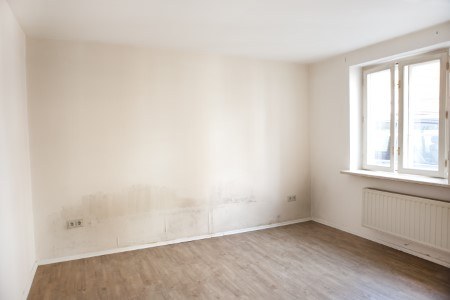
In New York City apartments, a small leak can turn into a big mold problem fast. Once surfaces stay damp, mold after water damage can begin developing within 24 to 48 hours and keep spreading as long as moisture remains. If your building recently had a pipe burst, radiator drip, or roof leak, timely mold remediation is the difference between a localized fix and a multi-room project.
NYC’s unique building mix and climate speed things up. Steam heat in winter, humid summers, tight mechanical chases, and shared walls make it easier for moisture to migrate between rooms and even between apartments. That’s why NYC apartment mold remediation focuses on finding the full moisture path, not just the visible stain.
Why Leaks Trigger Fast Mold Growth in New York City Homes
Leaks feed mold because spores are everywhere, waiting for water, warmth, and time. City apartments offer plenty of porous materials like drywall, MDF trim, and subflooring that hold moisture longer than tile or metal.
In walk-ups and prewar co-ops, steam risers and aging plumbing are common sources of slow, hidden seepage. In newer high-rises, HVAC condensate lines, window-wall joints, or terrace doors can leak during nor’easters. Ignoring a leak for even a weekend can let mold take root in hidden cavities you can’t see.
The Timeline: How Quickly Mold Can Spread After a Leak
- 0–24 hours: Spores hydrate and awaken on damp paper facing of drywall, framing, and dust.
- 24–48 hours: Early colonies form; staining or a faint musty odor may appear near the wet spot.
- 3–7 days: Growth expands behind baseboards, into adjacent walls or ceilings, and around duct openings.
- 2–4 weeks: Secondary damage increases; finishes can peel, laminate swells, and odors become persistent.
0–24 Hours: Spore Activation
After a leak, spores in settled dust draw moisture and begin metabolic activity on porous surfaces. You may not see anything yet, but the clock is running.
24–48 Hours: Early Colonies
Microscopic growth starts on the backside of drywall, inside cabinet toe-kicks, and under sink bases. A light, earthy smell can be the first sign in a closed bathroom or closet.
Day 3–7: Spread To Adjacent Rooms
Moisture wicks along studs and sill plates, carrying spores to fresh material. Shared chases between kitchens and baths allow movement across floors and units.
Week 2–4: Structural Impact
Materials weaken as they stay wet. You might see bubbled paint, warped flooring near radiators, or darkened seams at ceiling plaster patches.
Factors That Accelerate Mold In NYC Apartments
- Warm indoor temperatures year-round and limited cross-ventilation in stacked layouts
- Porous building materials like paper-faced drywall, MDF, and cellulose-backed flooring
- Shared walls and wet chases that let moisture travel between kitchens and baths
- Window condensation and terrace door leaks during driving rain
- Cluttered closets or built-ins that trap humidity after a leak
These realities mean “drying out” takes longer than people expect. Even when a surface feels dry, the core of the material can stay damp enough for mold to grow.
How Professionals Confirm The Extent Of Mold Spread
Pros start with moisture mapping and targeted inspection. Thermal imaging helps find cold, wet areas behind plaster, and pin or pinless meters confirm how deep the moisture runs. Air and surface sampling are used when needed to document hidden spread or to clear a space after work is finished.
The containment strategy depends on where the leak traveled. Kitchens often require toe-kick removal; bathrooms may need selective tile removal where backer board shows high readings. Hall ceilings under upstairs bathrooms are frequent hotspots in Manhattan walk-ups and in elevator-line stacks in larger buildings.
If you need a trusted partner who understands co-op boards and building management requirements, a local mold removal company like Dr. Mold Removal coordinates approvals and keeps residents informed while work proceeds safely.
Health And Building Risks Of Waiting
Even people who aren’t typically sensitive may notice stuffy noses, scratchy throats, or headaches around persistent damp areas. Those with allergies or asthma can have stronger reactions in bedrooms where colonies often start behind dressers or closets.
Moisture that lingers can undermine the apartment itself. Paper-faced drywall can delaminate, MDF swells, and engineered flooring locks may pop. If you smell a persistent musty odor after a leak, treat it as a warning sign that moisture remains somewhere nearby.
How Dr. Mold Removal Handles NYC Apartment Mold Remediation After Leaks
First, our team verifies moisture sources and sets up containment to prevent cross-contamination through hallways and elevators. Negative air machines with HEPA filtration maintain directional airflow so spores don’t migrate while materials are being removed.
We remove only what’s necessary, focusing on water-damaged materials and nearby items that test above acceptable moisture levels. Cleanable surfaces are addressed using industry protocols, then thoroughly HEPA-vacuumed and wiped so they’re ready for rebuilding by your contractor. Documentation supports co-op, condo, and insurance needs; scope varies by building rules and construction type.
Apartment Realities In Queens, Brooklyn, And Manhattan
Across Queens neighborhoods like Astoria and Long Island City, stack bathrooms can leak down two or three floors before anyone notices. In Brooklyn, Park Slope and Bedford-Stuyvesant brownstones often hide slow roof or parapet leaks that appear as ceiling hairlines months later. On the Upper East Side and Washington Heights, radiator valve drips can darken baseboards and cup floors long before surface stains show.
These patterns are why emergency mold removal in Queens and Brooklyn is often triggered by a neighbor’s leak rather than your own. The source might be one apartment, but the moisture path may include yours, too.
When Is It An Emergency?
It’s urgent when a leak has kept areas damp for more than 24 to 48 hours, when musty odors persist, or when you see visible growth larger than a sheet of paper. Ongoing humidity in summer, combined with sealed windows, can push borderline areas into active growth in a matter of days.
For families, those with respiratory sensitivities, or anyone in a ground-floor or basement-level unit, the threshold for action is even lower. In those cases, emergency mold removal NYC services prioritize containment and safe access so life can continue with minimal disruption.
What The First Professional Visit Typically Finds
Most leak-driven cases show a small visible area and a larger hidden area. Moisture often collects at baseplates, inside vanity backs, or under tub overflows. Hall ceilings under bathrooms and kitchens are common because they hide multiple utilities in the same chase.
Expect conversation about protecting common areas during work, elevator padding, negative air placement, and daily schedule windows that match building quiet hours. That planning helps the job finish faster and keeps your board and super happy.
Stop Mold From Spreading In Your NYC Apartment
Don’t let a small leak become a multi-room problem. Reach out to Dr. Mold Removal now at 201-292-3474 to speak with a specialist who understands New York City buildings. If you’ve had recent water damage, our team can help you navigate management approvals and schedule a prompt inspection so you can get back to normal.