

How Long Does Mold Remediation Take in New Jersey and New York? Real Timelines by Project Type
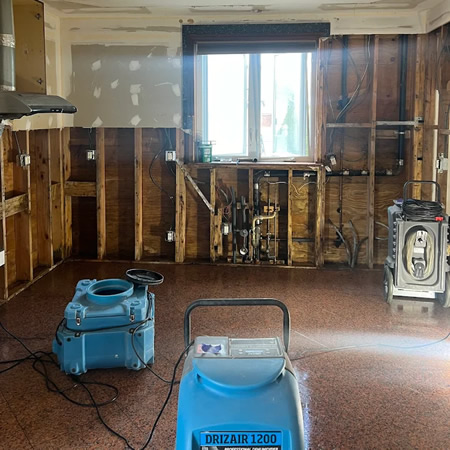
If you are asking how long mold remediation takes in New Jersey and New York, the honest answer is this: it depends on the size of the problem, where the mold is hiding, and how quickly we can dry the space. Homes and apartments across North Jersey, Staten Island, Brooklyn, Queens, and Westchester vary a lot, so timelines do too. When you contact Dr. Mold Removal, our team explains the steps up front and, when appropriate, points you to our mold remediation service so you can understand the process before we arrive.
Below you will find realistic timelines by project type, what can speed things up, and what sometimes slows work down. You will also see how local factors like humidity and building access can affect the schedule.
What Affects Mold Remediation Timelines in New Jersey and New York
Every project follows a similar path, but a few local factors often change the clock:
- Moisture source and drying time. Mold only stops growing when moisture is controlled. If the leak or seepage is ongoing, we must coordinate dry-out first.
- Access and logistics. Walk-ups, busy curbs, and tight parking in Manhattan or Hoboken can add setup time for containment, equipment, and debris removal.
- Building materials. Plaster, stone foundations, foil-backed insulation, and layered tile take longer to remediate than painted drywall.
- Seasonal humidity. Summer along the Hudson and the Jersey Shore slows drying. Drying takes longer in humid weather.
- Third-party testing and clearance. When a hygienist is involved, scheduling their visit adds a step near the end.
Typical Mold Remediation Timelines by Project Type
Small Containment (One Room or Closet)
Typical duration: 1 to 2 days. This covers a small wall section, a closet, or a few square feet on drywall. Day one is containment, HEPA air filtration, controlled removal of impacted materials, and detailed cleaning. Day two, if needed, is additional drying, wipe-down, and air scrubber time. Do not disturb visible mold before we arrive because it can spread spores and extend cleanup.
Bathroom Mold Behind Tile or Vanity
Typical duration: 2 to 4 days. Tile removal and finding the real water source take time. We set up negative pressure, remove affected backer board, treat or remove framing as needed, and run air scrubbers. If moisture readings stay high after day two, we keep drying equipment in place until targets are met.
Attic Mold From Poor Ventilation
Typical duration: 1 to 3 days. Attics in older homes around Bergen County and Queens often have dark staining on sheathing from past humidity. After isolating the attic, we clean and treat the sheathing and rafters, and improve ventilation pathways when access allows. Weather and safe ladder setup can affect start times.
Crawl Space Mold and Vapor Barrier Work
Typical duration: 2 to 4 days. Low clearance and obstacles slow movement. We place containment at the hatch, clean and treat structural members, and address ground moisture. If a new vapor barrier is part of the scope, add a day for careful installation and sealing.
Whole-Basement Mold After Humidity Issues
Typical duration: 3 to 5 days. Basements in Jersey City, Bayonne, and Yonkers often mix finished and unfinished areas. Expect a day for setup and removal of damaged finishes, one to two days for structural cleaning and HEPA vacuuming, and one to two days of drying and scrubbing. If contents need pack-out, schedule a bit more time.
Post-Flood or Sewer Backup
Typical duration: 5 to 10 days. Floods from summer storms or winter thaws require extraction, demolition of waterlogged materials, aggressive drying, and then mold remediation where growth occurred. The drying window drives the schedule, especially with dense materials like hardwood or plaster.
Local Insight: After heavy rain or a tropical system, basements across New Jersey and New York can stay damp for days. Plan for extra drying time so the remediation sticks and mold does not return.
HVAC Ductwork or Air Handler Contamination
Typical duration: 1 to 3 days. After isolating the system, we coordinate cleaning of ducts and internal components and change filters under containment. Access to rooftop units in the city or shared mechanical rooms can add scheduling steps.
Start-to-Finish Timeline: What to Expect
Most projects follow this sequence. The times below are typical ranges and may shift based on your home and the season:
- Assessment and scope: same day or next business day after you call 201-292-3474.
- Containment and setup: 2 to 6 hours, including negative air and protection of clean areas.
- Removal of impacted materials: 1 to 3 days, depending on rooms and finishes.
- HEPA vacuuming and detailed cleaning: 4 to 12 hours, often overlapping removal.
- Drying and dehumidification: 1 to 4 days, guided by moisture meter readings.
- Third-party clearance testing when used: scheduled after drying and cleaning.
- Rebuild by your contractor: timeline varies by finishes and lead times.
If you are still comparing options, review our overview of mold removal services to see how containment, removal, and cleaning fit together on a standard job.
New Jersey and New York Logistics That Can Add Time
Urban and suburban access can shape the day. In Manhattan and parts of Brooklyn, elevator reservations or service elevator hours may define when debris can move. Many co-ops and condos require a certificate of insurance on file before work begins. In North Jersey suburbs, driveway access speeds up equipment setup and keeps HEPA scrubbers closer to the work area. Communicating building rules early helps us lock in a tight schedule.
Real-World Examples by Season
Spring: snowmelt and early rain push moisture into basements in Montclair, Clifton, and New Rochelle. Expect longer drying, especially over stone foundation walls. Summer: coastal humidity from the Hudson and the shore slows dry-out, so we often leave dehumidifiers running an extra day. Fall: cooler air helps, and many attic mold jobs wrap faster once roof temps drop. Winter: frozen exterior vents or iced gutters can be part of the cause, and short daylight hours slightly limit setup in attics and exterior access areas.
How to Keep Your Project on Schedule
Homeowners can help the timeline without doing any cleanup themselves:
Clearance testing confirms the job is complete. To reach that point sooner, consider these quick wins:
- Clear a path to the work area and move fragile items out of the way.
- Plan for pets and kids to stay out of containment zones during work hours.
- Keep dehumidifiers and air movers powered until our team removes them.
- Share any leak history or past repairs so we can verify the moisture source.
For more background on moisture control and prevention, you can skim practical homeowner guides in our mold tips archive before we visit your home.
How Long Each Step Actually Feels
Time during remediation is not just hours on a clock. Day one can be busy with plastic sheeting, zip walls, and machines humming. The next day may look quiet because air scrubbers and dehumidifiers are doing the heavy lifting while we monitor readings. Many families in Jersey City or the Upper West Side choose to stay home during small containments because living areas remain open and safe, while larger basement or post-flood jobs may feel calmer if you are out during active removal.
When Timelines Extend
Sometimes the schedule grows for good reasons. Hidden moisture behind a baseboard can trigger a small expansion of the work area so the fix lasts. If we encounter a different material than expected, such as multiple layers of flooring, removal takes longer. Insurance coordination may also add a day or two for documentation and approvals. Weather can slow access or drying, especially during heat waves or nor’easters.
Putting It All Together
Here is a simple way to estimate your project: small rooms finish in about two days, most bathrooms in two to four days, attics and crawl spaces in one to four days, full basements in three to five days, and post-flood jobs often need a full week or a little more. If a third-party hygienist is part of your plan, we schedule them as soon as cleaning and dry-out hit target levels so you are not waiting. If anything unexpected appears, we explain it the same day so you know how much time it adds and why.
Ready to Start With a Clear Timeline?
If you want a fast, accurate schedule for your home, a short site visit is the best next step. Our team at Dr. Mold Removal can assess the source, check materials, and map out containment so you know what each day looks like. Many homeowners begin by reviewing our step-by-step professional mold remediation process and then calling 201-292-3474 to lock in a start date.
Whether you live in a high-rise in Manhattan or a colonial in Bergen County, Dr. Mold Removal is ready to help with mold remediation in New Jersey and New York that is thorough, safe, and planned around your schedule.