

How Professional Mold Testing Works in New York, NY: From Air Samples to Lab Results
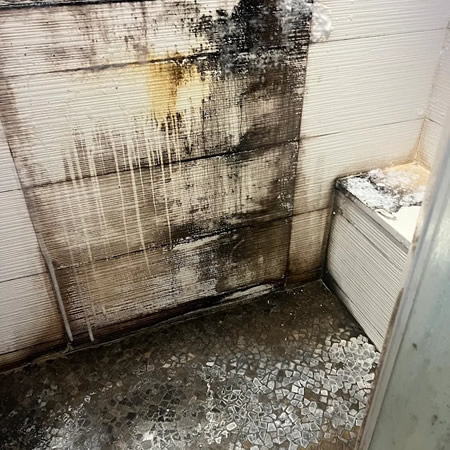
When you need professional mold testing in New York, NY, the goal is simple: find clear answers you can trust. Here is how Dr. Mold Removal approaches testing in NYC apartments, brownstones, and co-ops, from the first walk-through to certified lab results you can act on. If you are ready to move forward, you can learn more about our process on our mold testing page.
Why Mold Testing Matters In New York, NY
New York homes face unique moisture patterns. Pre-war plaster walls, steam heat, window A/C units, and coastal weather all create spots where dampness sticks around. That is why accurate testing is so valuable. It confirms whether the air in your home matches normal outdoor conditions or shows a pattern linked to indoor moisture.
Across neighborhoods like the Upper West Side, Park Slope, Astoria, Long Island City, and the Financial District, small leaks, wind-driven rain, and condensation can linger behind finishes. Testing turns those hunches into documented findings so you can plan the right fix.
The Mold Testing Process, Step by Step
1) Listening and Visual Survey
Your inspector starts by asking about leak history, odors, recent weather, and any symptoms that seem worse at home. A careful visual survey follows, with attention to ceilings below bathrooms, exterior wall corners, window sills, radiator surrounds, and closets on outside walls.
2) Moisture Mapping and Tools We Use
Next comes moisture mapping. Non-invasive meters and an infrared camera help locate damp areas you cannot see. Finding moisture is the fastest path to finding mold.
- Calibrated air pump with spore trap cassettes for air sampling
- Moisture meter and hygrometer to verify dampness and humidity
- Infrared camera to spot hidden wet zones behind walls and ceilings
3) Air Sampling Inside and Outside
Air samples are collected in key rooms and at least one outdoor control at your building on the same day. The outdoor sample is the baseline that makes indoor numbers meaningful. Without that comparison, you only have raw counts.
4) Surface Sampling When Indicated
If there is visible growth that needs identification, the inspector may take a tape-lift or swab sample. Surface samples help confirm what is growing on a material so the remediation plan fits the problem.
5) Clear Next Steps
If testing confirms an issue, your inspector explains what to do next and how cleanup is verified afterward. For many homes, testing informs a safe work plan that includes proper isolation and final clearance checks. You can read how cleanup is structured on our mold remediation page.
Air vs Surface Mold Testing: What Each Tells You
Air testing answers “what am I breathing right now” and whether indoor levels and species look like the air outside today. Surface testing answers “what is growing on this spot” so materials and methods match the problem.
- Air samples: best for hidden issues, complaints that improve when you leave home, or documenting conditions before and after cleanup
- Surface samples: best for visible discoloration, material identification, or clarifying what to remove vs. clean
How Labs Analyze Samples And What Results Mean
What the Lab Looks For
Certified labs review air cassettes under a microscope and report spores per cubic meter along with species. For surface samples, they identify what is present on the material. Your report compares indoor samples to the outdoor control and notes patterns tied to indoor moisture.
Comparing Indoor to Outdoor
The big question is how your indoor air compares to outside air taken the same day. When indoor levels are notably higher than the outdoor control, or when moisture-loving species appear indoors but not outdoors, the pattern points to an indoor source that needs attention. Always collect an outdoor control sample the same day so your results have context.
Reading Patterns, Not Just Numbers
There is no single national number that fits every home. Interpreting a report is about patterns: overall level, which rooms are highest, and whether species suggest damp building materials. That is why a clear narrative plus photos and moisture readings matter as much as the lab table.
When New Yorkers Should Schedule Professional Mold Inspection
You do not need to see heavy staining for testing to be smart. Consider booking an inspection if any of these sound familiar.
- Musty odor that returns after cleaning or ventilation
- Recurring spots near windows, radiators, or exterior wall corners
- Recent leaks from a neighbor’s unit or roof, even if the surface looks dry now
- Symptoms that improve when you leave home and return when you come back
- Post-remediation verification after a cleanup project
Ready For Clear Answers?
Schedule testing with Dr. Mold Removal and get a certified lab report that takes the guesswork out of your next step. Begin here on our mold testing page or call 201-292-3474. Never rely on a hardware store kit for decisions about your home’s air. A professional test provides the context, documentation, and peace of mind you need.