

Mold Removal in an Apartment: What NYC Renters and Owners Should Know
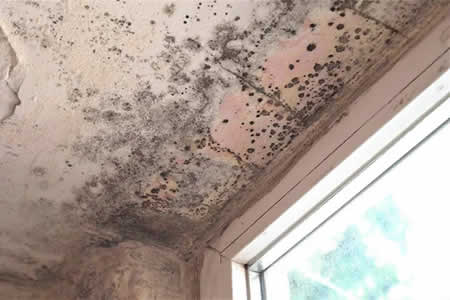
If you are dealing with mold in a New York City apartment, you are not alone. Humid summers, older buildings, and hidden leaks make apartments vulnerable. The safest path is to bring in a licensed team for professional mold remediation. This guide explains how apartment mold removal NYC works, what both renters and owners should expect, and how to move forward with confidence.
Why Apartment Mold Removal NYC Needs a Pro Plan
Mold spreads by tiny spores that travel through air and water. In apartments, those spores can move between rooms and even into neighboring units through chases and ventilation. That is why apartment mold cleanup must be precise, contained, and backed by testing. A pro plan limits spread, protects belongings, and restores healthy indoor air.
NYC has many pre-war and high-rise buildings with shared walls, steam heat, and window AC units. These features create temperature swings and condensation, especially in bathrooms and around windows. Add in coastal storms and basement moisture, and you have conditions where mold can return if the root moisture problem is not addressed.
What Renters And Owners Should Do First
Health and safety come first. Avoid disturbing visible growth, and keep kids and pets out of affected rooms. Take clear photos and notes of what you see and where you smell musty odors. Share that information with your property manager or board promptly so they can coordinate a professional assessment. Do not try to scrape, spray, or paint over the area. Painting over mold will not fix the source and can hide a growing problem.
Each building handles maintenance and repairs differently. Review your lease or bylaws to see who manages water intrusions and interior finishes. Your manager or board can schedule an inspection so a remediation team can evaluate moisture, hidden damage, and any cross-unit risks. While that is in motion, limit airflow across the area. Avoid using fans that could push spores into hallways or vents.
Common Triggers In NYC Apartments
Apartment layouts and building systems in New York City create predictable mold triggers. Here are issues pros see across Manhattan, Brooklyn, Queens, the Bronx, and Staten Island:
- Window condensation and poorly sealed AC sleeves during humid July and August
- Slow leaks inside wall chases from upstairs bathrooms or kitchen stacks
- Storm-driven roof or facade leaks that appear as ceiling stains weeks later
- Basement or ground-floor moisture wicking into lower walls and closets
- Unvented bathrooms where steam lingers after showers
If moisture is active, a building may also need water damage restoration to stop the source and dry materials before mold remediation can begin.
How Pros Tackle Mold In Apartments
Licensed teams follow a structured process designed for multi-unit buildings. Here is what a careful approach usually includes:
- Investigation of moisture sources and pre- and post- remediation mold testing to confirm the scope and the final clearance
- Containment using plastic sheeting and HEPA filtration to keep spores from spreading into halls or neighboring units
- Removal of affected porous materials that cannot be cleaned effectively, followed by HEPA vacuuming and surface cleaning for remaining areas
- Drying and dehumidification to bring humidity back to a safe range
- Final HEPA cleaning and verification to make sure the area is safe to reoccupy
The goal is not just to make stains disappear, but to return the space to normal moisture and air quality. If the source is a plumbing or building-envelope leak, repairs should be coordinated so the problem does not return.
Special Considerations For High-Rise And Pre-War Buildings
High-rises rely on shared mechanical systems and vertical plumbing stacks. A small leak on the 12th floor can show up as a ceiling stain on the 10th. Remediation teams coordinate timing with building management to protect corridors and elevators. Work typically starts after quiet hours are agreed upon, and containment is designed so neighbors are not exposed during transit of debris and equipment.
Pre-war co-ops and brownstones often have plaster walls, lathe, and original wood trim. These materials can hold moisture longer than modern drywall. Where possible, a careful crew will preserve architectural details while removing what cannot be saved. Keeping historic character while restoring healthy air is possible with the right plan.
How Long Does Apartment Remediation Take?
Timeframes vary based on how widespread the moisture is, how many rooms are affected, and the building’s access rules. A small bathroom issue can be contained and treated relatively quickly once the source is fixed. Multi-room or multi-unit projects involve more coordination. The team will outline the steps and expected schedule after the initial assessment.
What You Can Do To Keep Progress Moving
Clear a path for equipment, remove valuables from work zones, and let your neighbors know about daytime work if your building requests it. Secure pets in another room or with a friend during active work. If the moisture source involves a building system, your manager may schedule plumbing or exterior repairs first. That coordination helps ensure the remediation succeeds the first time.
Condo And Co-Op Boards: Tips For Smoother Projects
Boards and property managers juggle access rules, elevator reservations, and communication to residents. Establish a single point of contact so the remediation team has quick answers. Share notice timelines and preferred work hours early. If the building has had previous issues, provide past reports so the team understands hidden pathways or repeated leak zones. Linking remediation with needed repairs saves time and prevents rework.
Testing And Clearance In Multi-Unit Buildings
Testing gives everyone peace of mind. Pre-work testing helps define the boundaries for containment, and post-work testing confirms that air and surface samples are back to normal. In buildings with hallways and shared ventilation, it is common to test just outside the work zone as well. Your project manager will review the results and confirm when rooms are ready to use again.
If your first step is figuring out whether the problem is active mold or just staining from a past leak, schedule mold testing before planning repairs. That way, you invest in fixes that actually address what is present today.
Choosing The Right Mold Removal Company In NYC
You want a team that communicates clearly, respects building rules, and documents each step. Ask about experience working in high-rises and co-ops, containment methods, and how they protect common areas during the job. Photo updates and a simple timeline go a long way toward easing stress for both residents and boards. If previous leaks have caused recurring problems, ask about coordinating with plumbers or facade specialists so the moisture source is handled alongside remediation.
When you are comparing options, look for a partner who focuses on both the cause and the cleanup. That is the best way to prevent a repeat. For broad information about services and coverage, you can also review apartment mold removal nyc resources to understand how services fit together in one place.
Neighborhood Notes: What We See Across New York City
In Manhattan, we often hear about condensation around window AC units and around steam radiators near bay windows. Brooklyn brownstones experience stack leaks that show up as slow wall staining in garden and parlor levels. Queens and Staten Island see more basement and ground-level moisture after heavy rains, while parts of the Bronx can have aging roof systems that drip into top-floor apartments after nor’easters. Every neighborhood has its patterns. The fix always starts with finding and stopping the moisture, then carefully treating what was impacted.
Ready To Make Your Apartment Safe Again
Whether you are a renter coordinating with your landlord or an owner working with a board, a clear plan will save time and stress. Call Dr. Mold Removal at 201-292-3474 to set up an assessment. Our team will explain the steps, build a schedule that works for your building, and handle the details with minimal disruption. If you are dealing with active growth now, learn more about apartment mold remediation and how proper containment and testing protect your home and your neighbors.
If a recent leak or storm set this in motion, we can also coordinate water damage restoration so the moisture source is addressed alongside the cleanup. Your air should feel fresh again, and your walls and ceilings should look and perform the way they should.
Do not wait on visible spots or musty odors. Reach out to Dr. Mold Removal at 201-292-3474 for responsive help and a plan that fits your building. For a deeper look at the process and containment options for your layout, start with our overview of professional mold remediation.