

The Real Health Risks of Living With Hidden Mold in Pre-War Buildings: Mold Testing in New York City, NY
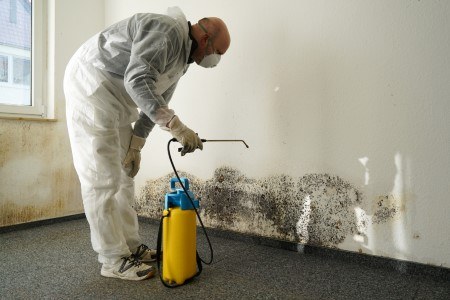
Pre-war apartments are part of what makes New York City, NY feel like home. Thick plaster walls, original wood floors, and steam heat add charm. They can also hide a serious issue that most residents never see coming: concealed mold. If you suspect a problem, getting professional mold testing is the safest way to find out what is in your air and behind your walls before it affects your health.
Why Pre-War Buildings in New York City Hide Mold
Many NYC buildings built before World War II were designed long before modern ventilation and moisture control. Steam radiators, shared walls, and older roofing or window assemblies can allow moisture to slip into wall cavities and under floors. Warm summers, nor’easters, and wind-driven rain add even more moisture. Over time, this creates perfect spots for mold to grow where you cannot see it.
Common building features that trap moisture in pre-war homes include plaster-and-lath walls, original tile set in thick mortar, and aging pipes that sweat or seep. Window A/C units can drip into sills. Radiator valves may mist just enough to dampen nearby walls. Hidden leaks like these often cause slow, steady growth that is easy to miss until symptoms show up.
The Real Health Effects of Mold Exposure
Indoor mold affects people differently. Tolerance varies by person, but long exposure can make anyone feel unwell. Mold releases tiny spores and fragments that can irritate the nose, eyes, throat, and lungs. In sensitive groups, it can be more serious.
- Allergy-like reactions such as sneezing, itchy eyes, runny nose, and skin irritation
- Worsened asthma, wheezing, chest tightness, and shortness of breath
- Persistent cough, sinus pressure, headaches, and post-nasal drip
- Fatigue, trouble concentrating, and sleep disruption
Children, older adults, and people with asthma or compromised immunity are at higher risk. Even healthy adults can experience symptoms when mold is hidden and continuous. If you notice issues that clear up when you leave home and return when you come back, the indoor environment may be the cause.
Mold Symptoms in Older NYC Buildings
Pre-war apartments often give subtle clues. You might smell a musty odor when the steam heat turns on or after a summer thunderstorm. Paint might bubble near a radiator or along a window sill. Floorboards may cup near an exterior wall. These signs point to moisture problems that can support mold.
Do not ignore a musty, earthy smell that lingers. Odor is one of the earliest warnings of a hidden problem, especially when you cannot see discoloration. Because pre-war construction can mask visual signs, air sampling and surface testing by a trained professional offers a clearer picture of what you are breathing.
Where Hidden Mold Lurks in Pre-War Apartments
Because these buildings use older materials and assemblies, growth can start in places you rarely check. The goal is not to open walls yourself, but to understand why testing matters and where a trained specialist will investigate.
- Behind plaster-and-lath after slow radiator or riser leaks
- Under original parquet or hardwood near exterior walls and window sills
- Inside bathroom walls where old tile beds and grout let water pass
- Around skylights, roof hatches, and top-floor ceiling cavities
- Inside closet backs that share a bathroom or kitchen wall
Hallway and elevator shafts can create a stack effect that draws moist air through gaps in older framing. That movement can pull spores into apartments from shared spaces. Because this airflow is invisible, testing helps confirm if spores are elevated indoors compared to outdoor air.
How Professional Mold Testing Protects Your Home
Testing answers three key questions: Is mold present, what types are there, and are indoor levels elevated compared to outside? It also helps pinpoint sources so they can be fixed. With pre-war buildings, the aim is to combine building science with lab data. That means inspecting likely moisture pathways, checking humidity and temperature, and taking strategic samples.
Professional mold testing through Dr. Mold Removal includes targeted sampling, calibrated instruments, and a clear report. The results guide your next steps so any remediation can be planned safely. When testing confirms an issue, pairing it with proper mold remediation restores healthy indoor air and helps prevent the problem from coming back.
For homeowners who want more background on testing methods and why pro testing is more reliable than consumer kits, this article explains the basics in plain language: how to test for black mold.
Pre-War Building Risks Across New York City Neighborhoods
Older buildings in Manhattan, Brooklyn, Queens, and the Bronx share many traits, yet the exact risks vary block to block. Riverside and waterfront areas may see wind-driven rain that enters through masonry. Tree-lined brownstone streets can trap humidity in summer. Top-floor units under older roofs often feel the brunt of freeze-thaw cycles, which open tiny pathways for water.
Consider how these local factors play out:
- Upper West Side and Upper East Side: steam risers and radiator valves near plaster walls can mist and discolor paint over time.
- Brooklyn Heights and Park Slope: historic windows and rooflines may allow rain into sills and ceiling cavities after nor’easters.
- Astoria and Jackson Heights: older tile beds in baths and kitchens can let water migrate into walls and floors.
- Inwood and Washington Heights: top-floor units may face roof seepage after heavy snow or spring melt.
Never paint over suspicious staining. Paint can trap moisture and hide growth, making later cleanup larger and more disruptive. Testing first avoids guesswork and helps you plan the right fix.
When to Call a Mold Removal Company in NYC
Timing matters. Mold can spread quickly in damp, enclosed spaces. Call a trusted professional if any of these apply:
- Musty odors that return after cleaning or ventilation
- Recurring stains near radiators, window sills, or exterior walls
- Recent leaks from a neighbor’s unit, roof, or steam riser
- Persistent allergy or asthma symptoms that improve outside the home
- Visible growth larger than a small patch, or growth in multiple rooms
If you rent, documenting recurring moisture early is important for your own records. Report leaks quickly and keep notes of dates and locations so your building team can support professional assessment and repairs.
What to Expect During a Professional Inspection
A qualified inspector will ask about building history, recent leaks, and symptoms. They will visually survey likely problem areas and may use moisture meters, infrared tools, and hygrometers to map moisture. Air and surface samples, if appropriate, will be collected from several rooms plus an outdoor control. Lab results identify types and levels of spores, which helps separate normal background from a real indoor source.
In pre-war homes, safe containment is critical if remediation follows. Crews may isolate work zones, manage airflow, and use HEPA filtration to prevent cross-contamination. Sealing off work areas and controlling pressure is essential in older buildings where cavities connect between units or floors.
Health, Comfort, and Peace of Mind
Unchecked moisture can damage wood flooring, plaster keys, and trim. But health and comfort are the real reasons to act. Accurate testing clarifies whether you are dealing with normal background spores or a hidden issue. With a clear plan, your home can feel fresher, your air cleaner, and your mind at ease.
If you are researching providers, a helpful way to compare is to look for transparent testing methods, clear reports, and a plan that addresses both moisture sources and cleanup. That combination solves the problem instead of chasing symptoms.
Local Seasons and Mold Risk in New York City
NYC summers are hot and humid. Window units can drip and collect on sills. In fall, nor’easters drive rain into small masonry cracks. Winter brings dry air indoors but can cause condensation on cold surfaces around metal windows and radiators. Spring thaws can reveal roof and flashing leaks. All four seasons produce different moisture patterns in pre-war buildings.
Act quickly after any leak or flood. The sooner moisture is controlled and the area is checked, the lower the chance of long-term mold growth and structural damage.
Choosing a Trusted NYC Mold Removal Partner
Dr. Mold Removal serves New York City residents who value clear answers, safe work practices, and respectful service in older homes. We understand pre-war construction and how moisture moves through plaster, masonry, and wood. Our team uses data-driven testing to map the problem and plans remediation that fits the building’s age and materials.
For homeowners who want a deeper overview of benefits, see this quick read from our resource center on why pro testing matters: benefits of professional mold testing. If testing confirms elevated levels, we coordinate with our remediation team so your project moves smoothly from findings to fix.
When you want a quick way to reach us or learn more about mold testing in New York City, NY, our homepage is a simple starting point. You can read about services, service areas, and what to expect from the first call through project completion.