

Top 7 Signs of Hidden Mold in Pre-War NYC Buildings
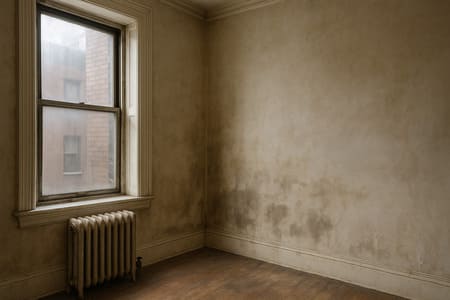
Pre-war co-ops, condos, and brownstones across New York City have charm, but their original materials can trap moisture that feeds hidden mold. If you notice any warning signs in your unit or common areas, schedule professional mold remediation before a small issue spreads behind walls and floors. This guide explains what to look for and how Dr. Mold Removal helps protect your home and health in New York City, NY.
Why Mold Remediation in New York City, NY Needs a Different Approach
Many pre-war buildings still have plaster and lath walls, solid brick or terra-cotta block, and steam radiators. These systems hold heat well, yet they also create temperature swings and condensation that invite mold in silent pockets. Flat roofs, parapet walls, and older window frames can let wind-driven rain enter, especially during nor'easters.
If your building has a history of leaks or winter condensation, it pays to be proactive. Learn how our team treats older assemblies by exploring our mold removal services tailored to historic construction.
Sign 1: A Musty, Earthy Odor That Won't Go Away
Musty odor is the classic red flag. In pre-war apartments, you may notice it strongest near steam risers, under window sills with aging caulk, or inside deep closets. The smell can be faint in the morning, then stronger after heat cycles or summer humidity spikes. **Never ignore a persistent musty smell;** it often means moisture is trapped behind finishes.
Sign 2: Shadowy Stains, Tide Lines, or Peeling Paint
Watch for tea-colored streaks, cloudy halos, and paint that bubbles or flakes on ceilings and exterior walls. These marks can appear after roof or facade leaks and may show up months later as slow seepage continues. Efflorescence (a white, powdery crust) means water is moving through masonry; mold often colonizes nearby organic dust or wood trim.
**Do not paint over stains.** Covering the surface may trap moisture and worsen the problem out of sight.
Sign 3: Warped Baseboards and Soft Flooring Near Radiators or Pipes
Soft, cupped, or squeaky hardwood and swollen baseboards suggest chronic moisture. In pre-war layouts, radiator valves, supply lines, and return pipes can sweat or drip. Water can wick under floors and feed mold on the underside of boards and subfloor, especially in rooms with area rugs that slow evaporation.
Sign 4: Condensation on Single-Pane Windows and Surrounding Trim
Original window frames and single-pane glass often “rain” indoors during cold snaps. When warm indoor air meets the cold glass, moisture forms and runs into sash pockets and wood sills. Over time, that damp wood darkens, smells musty, or becomes spongy. **Regular condensation around windows is a moisture clue, not just a comfort issue.**
In neighborhoods like the Upper West Side, Brooklyn Heights, and Astoria, winter humidity plus steam heat can create daily condensation cycles. Addressing moisture early helps prevent hidden mold from spreading into plaster keys and wood framing.
Sign 5: Allergies That Flare Up at Home but Ease When You Leave
If you or a family member feels congested, itchy, or coughs more at home but improves at work or outdoors, mold may be present. This pattern shows up in small apartments where airflow is limited. Bedrooms with blocked vents, tightly packed closets, and built-in cabinets can trap spores and musty air near where you sleep.
Sign 6: Past Water Damage That Never Fully Dried
Had a leak last season? Even if the surface looks fine, hidden cavities may still be damp. Long, slow drips from roof flashing, parapets, or radiator valves can keep materials wet enough for mold to grow behind the paint. If your unit or building recently had a leak, coordinate prompt water damage restoration to remove moisture before it becomes a mold problem.
Sign 7: Unusual Spots in Closets, Built-Ins, or Behind Furniture
Dark corners and enclosed cabinets are classic hotspots in pre-war homes. Look for gray-green specks on the back of furniture placed against exterior walls, or discoloration along closet ceilings that share a wall with a bathroom or hallway riser. Trapped air and slight temperature differences can cause condensation that feeds small colonies.
Common Pre-War Moisture Sources to Watch
- Steam radiator valves, supply risers, and unions that sweat or weep
- Flat roof transitions, parapet caps, and aging flashing that allow wind-driven rain
- Single-pane windows and sash pockets with failing exterior caulk
- Old tile showers and tub surrounds with cracked grout or failed caulking
Where Hidden Mold Often Hides in NYC Apartments
- Behind plaster and lath, where water tracked along metal lath or wood keys
- Under hardwood near radiators, rugs, or at balcony doors
- Inside built-ins, wardrobes, and deep closets on exterior walls
- Above ceilings, below flat roofs or roof terraces
What To Do If You Notice These Signs in a Pre-War Building
Document what you see, where you smell it, and when it seems worse, such as after heavy rain or radiator cycles. Share your notes with your building manager or board so they can check for active leaks. Then, involve a qualified mold removal company that understands older NYC construction. A trained team will follow containment, filtration, and cleaning protocols that fit your building's materials.
To understand the difference between simple cleaning and full containment, review our approach to mold removal services for complex wall and ceiling assemblies. The goal is to locate and fix the moisture source, not just clean the surface.
How Dr. Mold Removal Inspects and Treats Hidden Mold in Pre-War Homes
Our inspectors start with a thorough walk-through to map likely moisture paths from the roof to the basement. We use non-invasive tools to measure moisture in plaster, wood, and trim, and we assess airflow patterns that can trap humid air in closets or built-ins. If needed, we coordinate with building staff to access common areas, chases, and mechanical rooms so we can trace the source.
Once the plan is set, our technicians establish containment to protect clean areas, apply negative air pressure, and use HEPA filtration to capture microscopic particles. Materials that cannot be cleaned are removed in a controlled way, and salvageable surfaces are cleaned and detailed. Finally, we verify dryness and cleanliness before spaces are returned to service, helping reduce the chance of recurrence.
Local Clues From New York City Weather and Building Age
Summer humidity and sudden thunderstorms can push moisture into small facade cracks, while winter brings wide temperature swings from steam heat. That daily cycle makes single-pane windows sweat and can draw damp air into wall cavities, especially in top-floor units under flat roofs. In neighborhoods like Washington Heights, Hell's Kitchen, and Park Slope, older masonry and roof details may need seasonal attention to keep interiors dry.
When It's Time to Call a Mold Removal Company
Call a specialist when odors persist, stains return after painting, or allergies improve when you're away from home. Also, call if you see new buckling floors, soft window sills, or ceiling spots after storms. If your building is addressing leaks, coordinate timing so moisture issues are fixed before final finishes are repaired.
For building-wide communication, we provide clear reports that help co-op and condo boards understand findings and next steps. Residents appreciate knowing the scope, schedule, and how we keep dust and noise down during work.
Protect Your Home and Health Year-Round in New York City, NY
If these seven signs sound familiar, take the next step with Dr. Mold Removal. Book a convenient assessment online or call us at 201-292-3474. To get started, request a mold remediation appointment so we can inspect problem areas and outline a safe plan for your space.
For general information about our company and services across the city, you can also learn more about our mold removal company in New York City, NY, and how we support owners, boards, and property managers.