

What Does a Mold Test Actually Tell You?
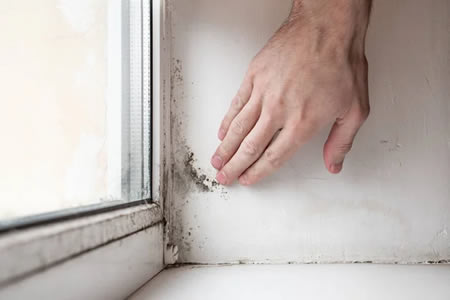
Mold testing should answer a simple question: Is the air or a surface in your home showing signs of mold that could point to active growth or a moisture problem? In a city like New York City, where older buildings, steam heat, and humid summers are common, a clear, professional test helps you know what is normal for your space and what is not.
A quality test does not guess. It collects samples, sends them to an accredited lab, and compares results to outdoor levels taken the same day. The findings guide your next step, whether that is targeted cleanup, repairs, or, when needed, scheduling mold removal with a trusted team.
If you are researching options, start with mold testing in New York City, NY from a local expert you trust. Dr. Mold Removal keeps reports easy to read, explains results in plain language, and helps you decide what to do next. To talk with a specialist, call 201-292-3474.
What a Professional Mold Test Reveals
Lab reports translate what is in your air or on a surface into data you can act on. Here is what that data typically tells you:
- Spore types present. Common outdoor molds like Cladosporium often show up at low levels indoors, while elevated Aspergillus or Penicillium inside may point to damp materials.
- Concentrations. Air samples report estimated spores per cubic meter. Your inspector also takes an outdoor control sample the same day for comparison.
- Location patterns. A bedroom with elevated indoor counts while the living room stays normal can help pinpoint hidden issues near one wall, closet, or bathroom.
- Moisture clues. Surface tape or swab samples from stained drywall can confirm if visible discoloration is mold and whether it is active.
- Post‑project verification. After cleanup, a retest can show that indoor air has returned to typical levels for the building and season.
Think of the report like a health check. It does not fix problems by itself, but it tells you where to look, what to fix, and how urgent the situation might be.
Common Mold Testing Methods in New York City Homes
Every building is different, but most NYC inspections use a mix of these methods so results reflect real living conditions:
- Air sampling with spore traps. A calibrated pump draws air for a set time and volume. This helps compare rooms and understand overall air quality.
- Surface sampling. Tape lifts or swabs from stained paint, window sills, or bathroom caulk confirm if growth is mold and which types appear.
- Wall-cavity checks. When a leak is suspected behind drywall, a small opening or specialized sampling can screen the void without major demolition.
- Moisture mapping. Meters and thermal imaging help locate damp materials that support growth, especially around radiators, window AC units, and older plumbing.
- Outdoor control sample. Collected the same day to provide a fair baseline for interpreting indoor air results.
In pre-war buildings from the Upper West Side to Park Slope, old plaster can hold humidity, while in newer condos in Long Island City, tight windows can trap indoor moisture. Your inspector chooses the right combination for the building’s age and conditions.
Local insight: after heavy summer rain or a Nor’easter, it is normal for outdoor mold readings to spike for a day or two. A good test compares your indoor results to outdoor conditions taken the same day so you do not overreact to a seasonal swing.
How to Read Mold Air Sample Results Without the Jargon
Reports can look technical, but the core ideas are straightforward when explained clearly. Here is how to think about the numbers you see:
Fix moisture first, or the problem returns. Air numbers matter, but mold follows water. Even a small drip under a sink or a window leak in Astoria can seed hidden growth that keeps coming back until the moisture source is corrected.
Focus on patterns, not single numbers. If indoor counts are consistently higher than the outdoor control and dominated by species linked to damp interiors, that points to a building issue. If indoor counts are similar to or lower than outdoors, and species types match the outdoor sample, the air is likely reflecting normal infiltration from outside.
Understand the meaning of spore types. A report heavy in Cladosporium indoors on a breezy fall day might be normal. Elevated Aspergillus/Penicillium indoors, especially with musty odors or damp materials, is more concerning. Detection of Stachybotrys on surfaces usually indicates water-damaged cellulose like drywall or wood that stayed wet for days.
Know that there is no universal “pass/fail.” Labs provide counts and IDs. Your inspector interprets them in context with building history, moisture readings, and outdoor controls.
Limits of Mold Testing and When It Falls Short
Testing is powerful, but it is not magic. Here are realistic limits to keep in mind:
Timing matters. If you test right after windows were wide open or fans were running, indoor counts may look artificially low. If a room was just vacuumed, dust can temporarily rise. That is why inspectors note conditions during sampling.
Hidden growth can be tricky. Cavities behind tile, saturated subfloors, or sealed chase spaces sometimes show clean room air while a nearby wall void tests high. Skilled pros read the clues, then confirm with targeted cavity sampling when appropriate.
Testing does not replace repairs. It can confirm a problem, but it will not dry a wall, reseal brick, or repoint a facade. Plan for the fix, then verify with a post-project test.
Do not rely on over-the-counter petri-dish kits. They often grow something even in clean homes, which can be misleading without context, controls, and proper lab identification.
When Testing Leads to Action: Next Steps in NYC Apartments
If results point to a moisture source or active growth, the next step is targeted cleanup and building repairs. For work that goes beyond basic cleaning, learn how professional containment, filtration, and removal protect your living space by reviewing our mold removal process. Pairing a focused scope of work with a post-remediation test gives you confidence the issue was handled.
In co-ops and rentals from Harlem to Bay Ridge, documentation matters. A clear report with photos, lab data, and a simple summary helps when speaking with a board, landlord, or insurance. Dr. Mold Removal provides plain-language summaries so every stakeholder can understand the plan and outcome.
What Your Mold Testing Report Should Include
A strong, decision-ready report is more than raw numbers. It should help you move forward without guesswork. Expect to see:
- Sampling locations, methods, and times, including an outdoor control sample for the same day.
- Moisture and temperature readings taken at key areas, with notes on visible conditions.
- Lab findings listing spore types and estimated concentrations for each sample.
- Inspector’s interpretation in plain English that connects the dots to building conditions.
- Clear, prioritized next steps, such as drying, repairs, and any follow-up testing.
This structure keeps everyone on the same page, whether you live in a brownstone in Carroll Gardens or a high-rise near Columbus Circle.
Air vs. Surface Samples: Which Do You Need?
Both play a role, and they often work best together. Air samples give a snapshot of what you breathe, while surface samples confirm whether a stain or patch is mold and what type it is. If you have musty odors but no visible staining, air and wall-cavity screening may be recommended. If you have visible discoloration on drywall or window trim, surface sampling provides clarity on what you are seeing and whether it is active growth.
In many New York City apartments, window condensation during winter can lead to light surface growth on sills. Surface testing can confirm this and help you decide on appropriate cleaning and humidity control after any needed repairs.
How Long Results Take and How to Use Them
Turnaround typically varies by lab workflow and sample volume, but many homeowners receive results promptly enough to make timely decisions. Once you have the report, review the interpretation section first so the numbers have context. Then plan your repairs and schedule any follow-up verification to document a clean return to typical indoor levels.
If the report shows elevated indoor spores linked to damp interiors, address water entry or leaks quickly. A simple repair that stops water today prevents a bigger cleanup later. When work is complete, a quick retest confirms success and gives peace of mind.
Why Choose Dr. Mold Removal for Professional Mold Testing
Homes and apartments across the five boroughs face unique moisture challenges, from roof and facade leaks to aging radiator valves. Dr. Mold Removal understands these patterns and tailors the sampling plan to your building, whether you are in Queens, Brooklyn, the Bronx, Staten Island, or Manhattan. We listen first, inspect carefully, and explain every step before we test.
You will receive a report that is easy to read, complete with photos, lab results, and plain-language guidance. If testing suggests corrective work, our team can coordinate with trusted partners or guide you toward appropriate service. If removal is needed, you can learn more about proper containment and filtration on our mold removal page.
Ready for professional mold testing in New York City? Talk with Dr. Mold Removal today. To schedule a visit or request a clear, jargon-free report, call 201-292-3474 and speak with a local specialist who knows NYC buildings inside and out.
Preventing the Problem From Coming Back
Testing is only one chapter. The long-term fix is controlling moisture and tracking building conditions over time. In New York City, that can mean sealing around AC sleeves, improving bathroom ventilation, repairing flashing, or addressing minor plumbing drips before they soak drywall.
Your report becomes a roadmap. Use it to prioritize repairs by risk and effort. If you make improvements, consider a follow-up air test during a similar season to confirm that indoor air has returned to typical levels compared with the outdoor control sample.
The Bottom Line for New York City Homeowners
A mold test is a decision tool. It tells you what types of spores are present, how concentrated they are, and where to focus repairs. It also confirms when your space is back to normal after work is done. When paired with a careful inspection and moisture measurements, testing removes the guesswork so you can protect your home and health with confidence.
If you need help deciding when to test or how to interpret a recent report, Dr. Mold Removal is here to help. We serve neighborhoods across the city and are ready to provide clear answers backed by accredited lab data and practical guidance you can use right away.