

Mold Testing vs. Mold Remediation in Fort Lee, NJ: Which One Do You Need First?
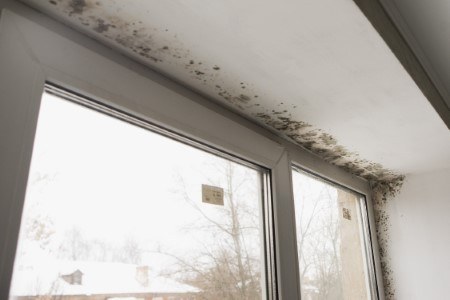
If you’re seeing spots, smelling musty odors, or dealing with a recent leak, you might be asking whether to start with mold testing or jump straight to remediation. Here’s the short answer for Fort Lee, NJ homeowners and property managers: get a clear picture first, then fix the problem fast. When you need confirmation and a plan, schedule professional mold testing with a trusted team like Dr. Mold Removal.
Timing matters in our area. Summer humidity along the Palisades, winter ice dams, and sudden storms can push moisture into basements and behind walls. If water has touched building materials, the first 24 to 48 hours after water damage are critical to prevent a small issue from turning into a bigger one.
What Each Service Does, In Plain English
Mold Testing
Mold testing checks whether mold is present, what type it is, and how concentrated it is in your air or on surfaces. A pro gathers indoor and outdoor comparison samples, documents moisture sources, and gives you a report you can use to make decisions.
Mold Remediation
Remediation is the cleanup. It isolates affected areas with containment, uses filtration to control spores, removes damaged materials, treats remaining surfaces, and dries the structure so the problem does not come back. For details on the steps and safety controls, see our mold remediation process.
Which Comes First In Fort Lee? A Simple Rule
Use this local-friendly guide to choose your first move:
- Test first when you have no visible growth, when symptoms or odors are the main clue, when you’re in a condo or co-op and need documentation, or if there’s a landlord/tenant dispute and you need unbiased proof.
- Remediate first when there’s clear, widespread growth, active leaks, or damaged, saturated materials. Drying and safe removal should not wait while conditions are wet or spreading.
After cleanup is complete, request “clearance” or post-remediation testing to verify the work. Think of it as the final check that your home’s air quality has returned to normal.
Local tip: In Fort Lee and nearby river towns, humidity can spike after summer thunderstorms and nor’easters. If a room smells musty for more than a day, that’s a red flag. Don’t paint over stains or “wait it out.” Get the area inspected so moisture is found and corrected before mold spreads.
Landlord, Tenant, And Multi‑Unit Scenarios
In apartments and shared buildings, documentation matters. An independent testing report helps set expectations for everyone involved and guides the remediation plan. In neighboring New York State, it’s common practice to keep the assessor and the remediator separate. In New Jersey, health guidance warns against conflicts of interest and recommends independent evaluation. That separation protects you from guesswork and supports a fair outcome for all parties.
If you manage a building near Center Avenue or a high‑rise off Lemoine Avenue, testing can also help prioritize units for remediation and track moisture migration between floors. A clear report makes it easier to communicate with boards, insurance, and residents about next steps.
Local Clues You Might Need Mold Testing In Fort Lee, NJ
- Basements that feel damp after heavy rain or snowmelt, especially on sloped lots below Palisades Avenue.
- Bathroom condensation that lingers on mirrors or ceiling paint in pre‑war co‑ops and older single‑family homes.
- Musty odors in closets that back up to exterior walls or shared mechanical rooms.
- Elevator machine rooms or utility spaces with past leaks that never fully dried.
- HVAC drip pans in high‑rises near the George Washington Bridge that overflow or stay wet.
What Professional Testing Looks Like
A trained specialist performs a visual inspection, moisture mapping, and strategic air or surface sampling. Results compare indoor areas to an outdoor baseline to show if levels are elevated. You’ll receive a written interpretation in plain language and a moisture‑source checklist that points remediation in the right direction.
Curious about black mold concerns and how pros identify it accurately? Review our quick guide on how to test for black mold to see why professional sampling and analysis matter.
Important: Testing confirms the problem and shapes the plan. Remediation fixes the problem by drying, removing, and sanitizing affected materials. You usually need both steps, but the order depends on visibility, moisture, and urgency.
Real‑World Examples Around Fort Lee
Here are common paths we see across Fort Lee, Edgewater, Leonia, and Palisades Park:
Scenario 1: Post‑leak bedroom with no visible mold. A radiator valve leaked for a day. The wall looks fine but smells musty. Start with targeted mold testing to check the wall cavity and air. If results show elevation or hidden moisture, move to contained remediation and structural drying.
Scenario 2: Basement wall with clear patches after a storm. The wallboard shows dark spotting up to a foot high. Skip delays. Set containment, remove wet materials, dry the foundation, and clean. Follow with clearance testing to confirm the space is safe before rebuilding.
Scenario 3: Condo odor complaint and allergies, no obvious source. Multi‑unit buildings often share chases and risers, so moisture can travel. Independent testing documents conditions and helps the board or property manager choose a remediation plan that addresses sources, not just surfaces.
How To Decide Today
Use this quick checklist to act with confidence:
If you can’t see mold or need proof for a board, insurance, or a lease file, begin with professional testing so you know exactly what you’re dealing with and where to focus work.
If you do see mold and materials are wet or deteriorating, remediation should begin quickly with source control, containment, and safe removal. Testing can still follow as clearance to prove success.
Either path benefits from a local team that understands our buildings and weather. For trusted mold testing and remediation in Fort Lee, NJ, Dr. Mold Removal is ready to help.
Ready To Breathe Easier?
If you’re unsure where to start, we’ll make it simple. Our inspector will assess moisture, explain your options in plain language, and help you choose the right first step. When testing is the smart move, we’ll schedule it promptly and translate the lab report for you. When remediation is needed, we’ll set containment, remove the damaged materials, and dry the structure the right way.
Call 210-292-3474 to speak with a local specialist at Dr. Mold Removal, or schedule mold testing for your Fort Lee home today. Your next step is clear, and we’re here to help every part of the way.